
PROJECT OVERVIEW
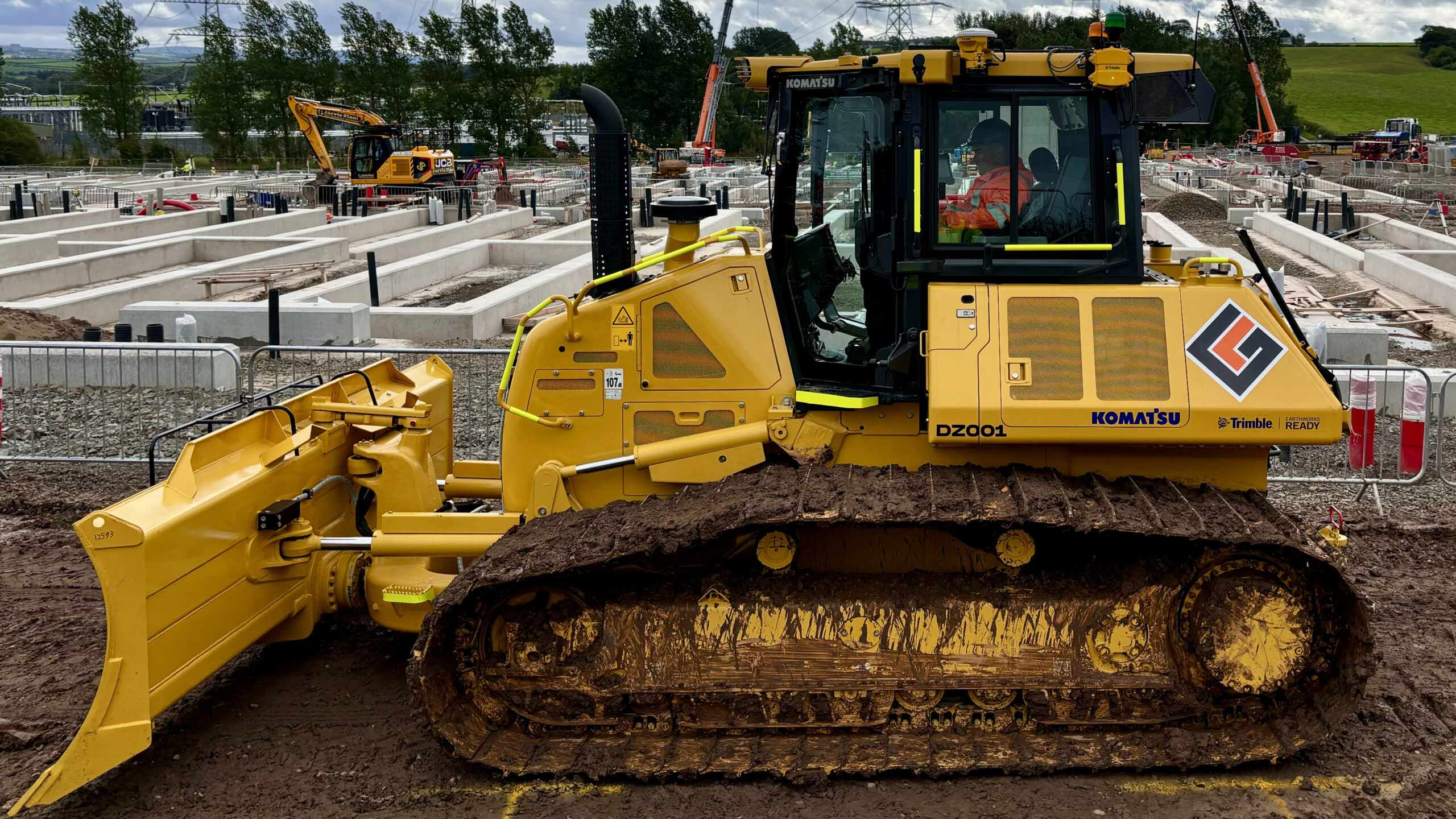
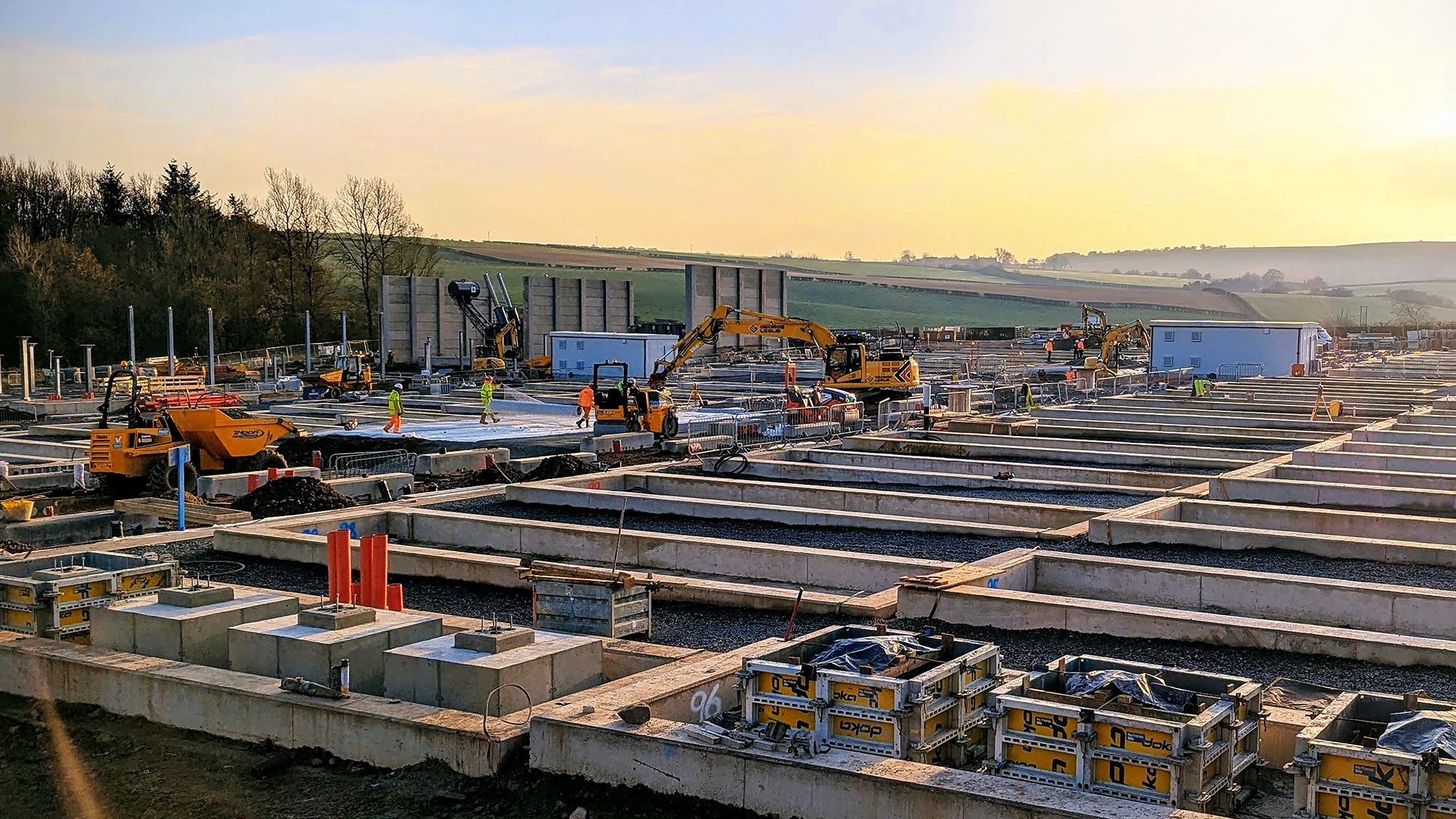
George Leslie played a central role in the early enabling and civil engineering works for the Kilmarnock South Battery Energy Storage System (BESS), a nationally significant 300 MW / 600 MWh grid‑scale battery project developed by Zenobē near Kilmarnock, East Ayrshire. Acting on behalf of Omexom, George Leslie led the delivery of complex groundworks, earthworks, access, drainage, and structural civils that formed the foundation for one of Scotland’s largest operational battery storage facilities.
EXECUTIVE SUMMARY
Through early contractor involvement under a Limited Notice to Proceed (LNTP), George Leslie enabled the Kilmarnock South BESS project to progress ahead of full contract agreement, safeguarding programme certainty on a high‑profile energy infrastructure scheme. Mobilising in autumn 2023, the team delivered enabling works, earthworks, and permanent civils in challenging ground and environmental conditions. These works were critical in enabling the site to progress rapidly into construction and, ultimately, commercial operation in early 2026, supporting Scotland’s net‑zero ambitions and the UK’s grid resilience objectives.
PROJECT BACKGROUND
Kilmarnock South BESS forms part of Zenobē’s £1bn investment programme in battery storage and clean energy infrastructure across Scotland. Following Section 36 consent, construction began in early 2024, with enabling works completed in late 2023. George Leslie was appointed by Omexom to carry out early works under an LNTP arrangement, allowing critical site preparation activities to commence whilst the broader subcontract negotiations were finalised.
The project occupies land adjacent to Kilmarnock South Substation, minimising cable routes and reducing wider environmental and land‑use impacts, while supporting integration of renewable energy from Scotland’s expanding wind generation fleet.
GOALS AND OBJECTIVES
- George Leslie’s objectives on the project were to:
- Deliver enabling and civil works safely and on programme under LNTP conditions
- Provide a stable, compliant platform for battery, electrical and substation installation
- Manage environmental and community impacts during a high‑traffic construction phase
- Adapt civil designs to real‑world ground conditions without compromising quality or safety
- Support the accelerated delivery of nationally significant low‑carbon infrastructure
CHALLENGES OVERCOME
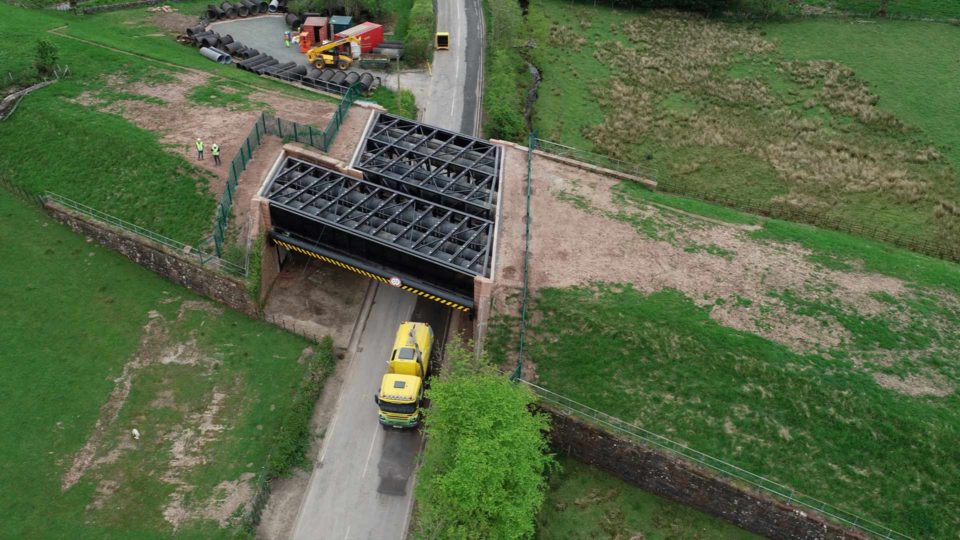
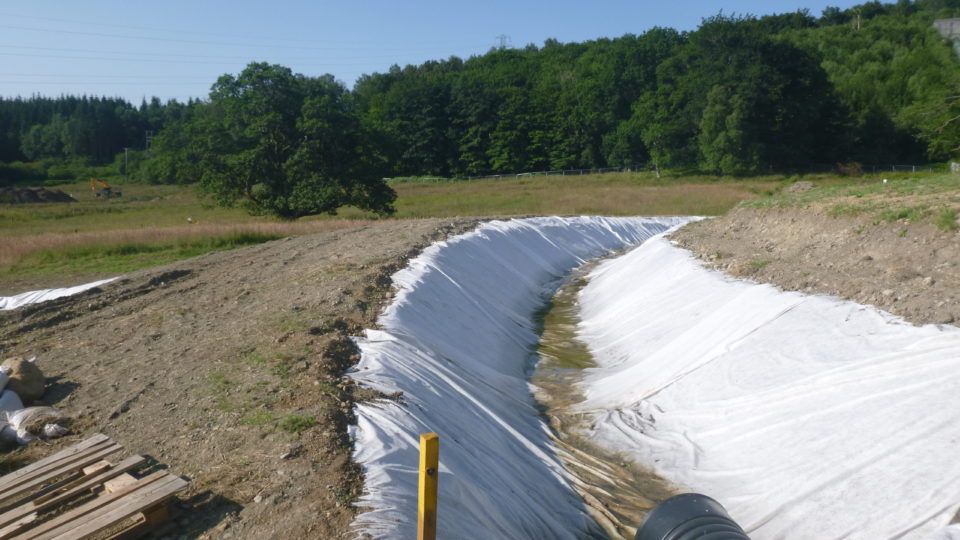
Key challenges addressed by George Leslie included: Complex ground conditions: Large volumes of excavation and re‑profiling were required to create a level platform, with ongoing geotechnical input and revised earthworks methodologies. Traffic‑intensive works: The earthworks phase required careful management of HGV movements and temporary road infrastructure to minimise disruption on local roads. Evolving design interfaces: Foundations, earthing, and drainage designs were refined during delivery, requiring close coordination with Omexom, designers and geotechnical engineers. Environmental controls: Silt traps, drainage management and reuse of surplus soils for habitat creation were implemented to protect nearby watercourses and landscape.
ENVIRONMENTAL BENEFITS
George Leslie’s works directly supported the project’s environmental outcomes by enabling infrastructure that will prevent an estimated 3.4 million tonnes of CO₂ emissions over the project’s first 15 years of operation. Re‑purposing surplus excavated soils to create new habitat areas nearby. Delivering sustainable drainage systems to manage surface water and protect local ecology. Supporting a zero‑emissions operational asset that reduces renewable energy curtailment.
EFFICIENCY BENEFITS
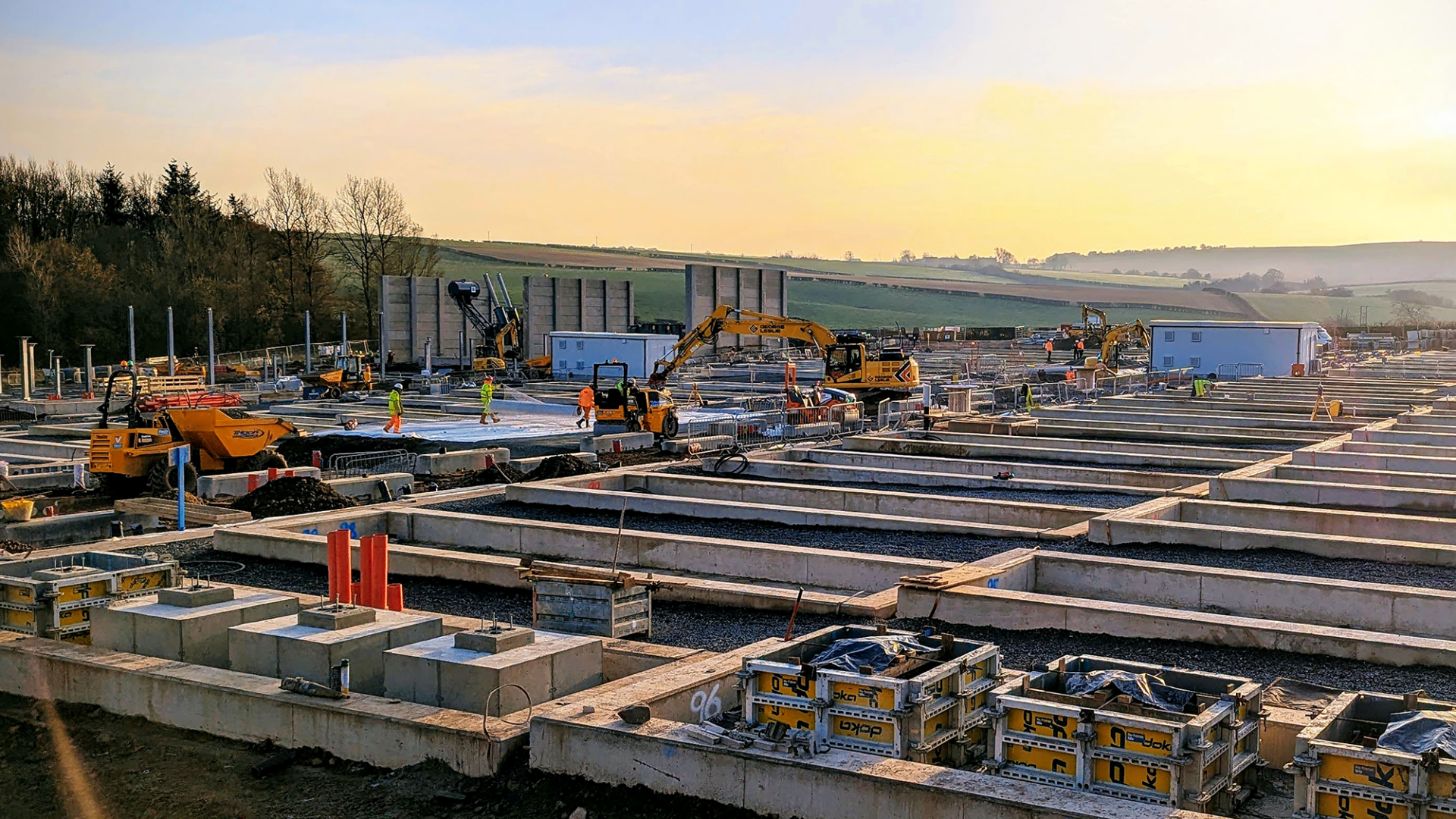
Early‑works delivery under LNTP allowed the programme to advance without delay. Phased earthworks and civils reduced re‑work and mitigated weather‑related risks. Prefabricated and in‑situ foundation solutions were optimised for speed and quality
Close collaboration with Omexom streamlined the transition from civils to electrical installation.
COMMERCIAL IMPLICATIONS
For George Leslie, the project demonstrated a strong performance under milestone‑based LNTP commercial controls. Effective management of re‑measured earthworks and scope evolution. Delivery of high‑value civil engineering works on a flagship UK energy project. Reinforcement of George Leslie’s credentials in the fast‑growing BESS and energy‑transition market.
CONCLUSION
George Leslie’s contribution to the Kilmarnock South BESS was fundamental to the successful delivery of one of Scotland’s most significant battery storage assets. By delivering complex enabling, earthworks and civils safely, collaboratively and efficiently, George Leslie helped unlock a project that now plays a vital role in grid stability, renewable integration and carbon reduction. The scheme stands as a strong example of George Leslie’s capability in supporting the UK’s energy transition through high‑quality civil engineering delivery.