

PROJECT OVERVIEW
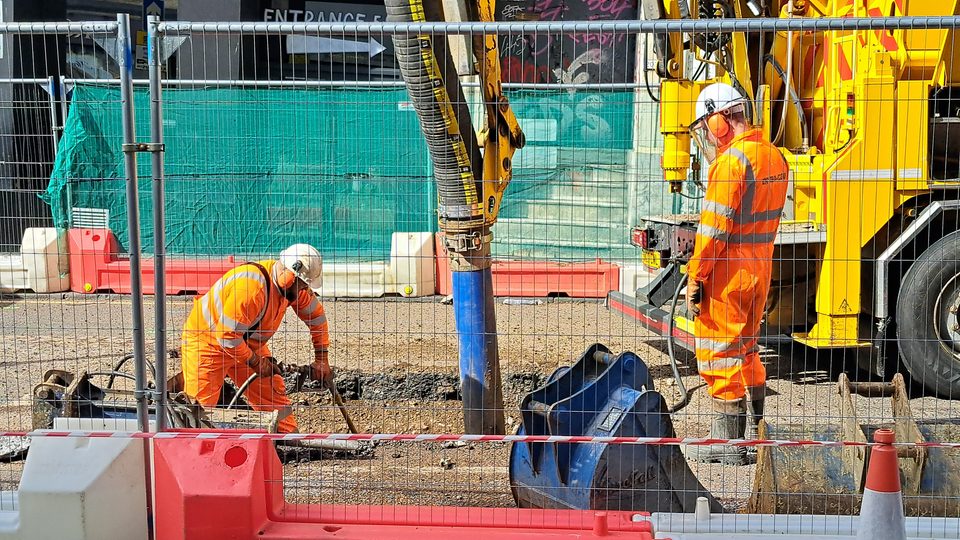
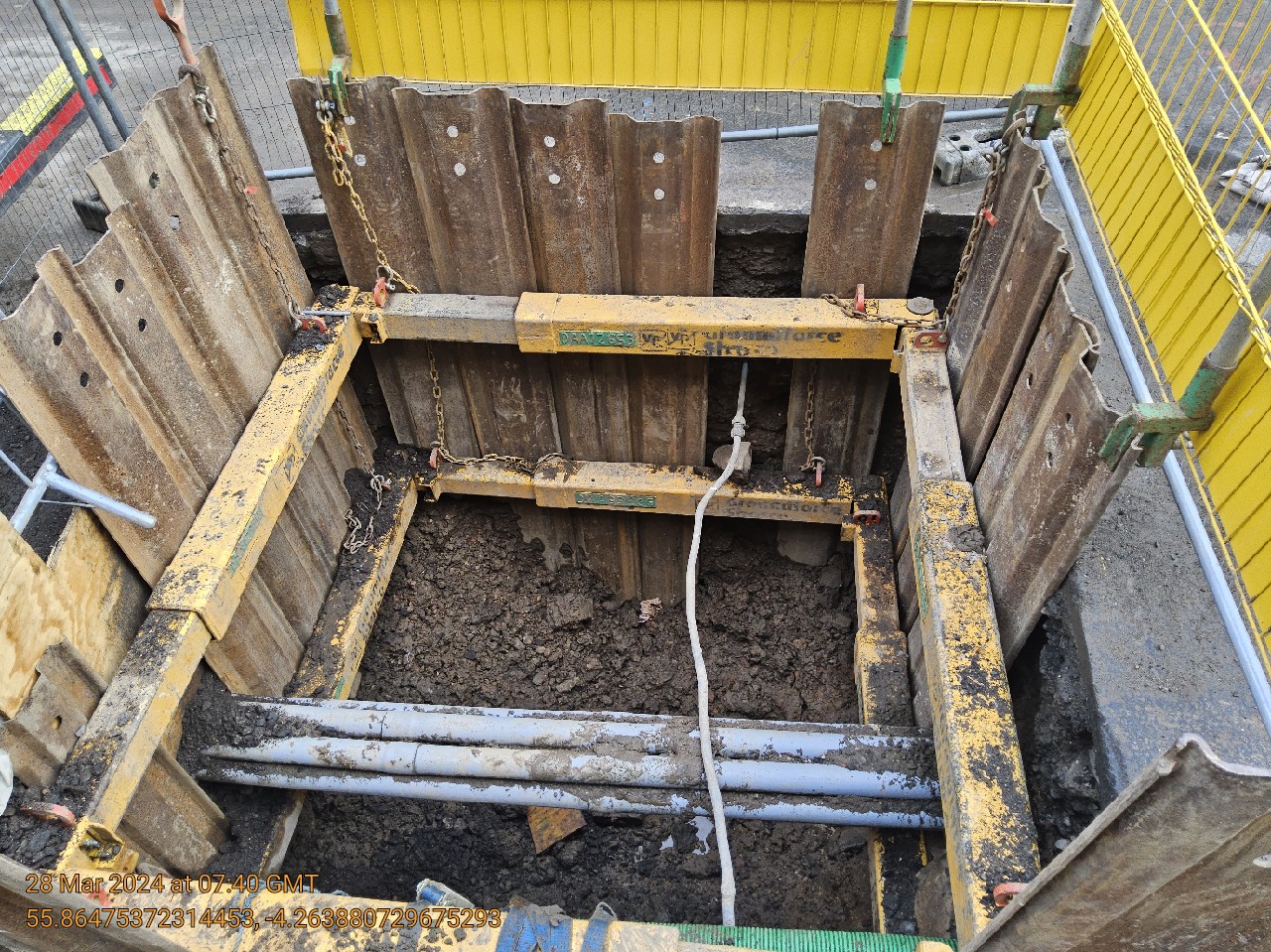
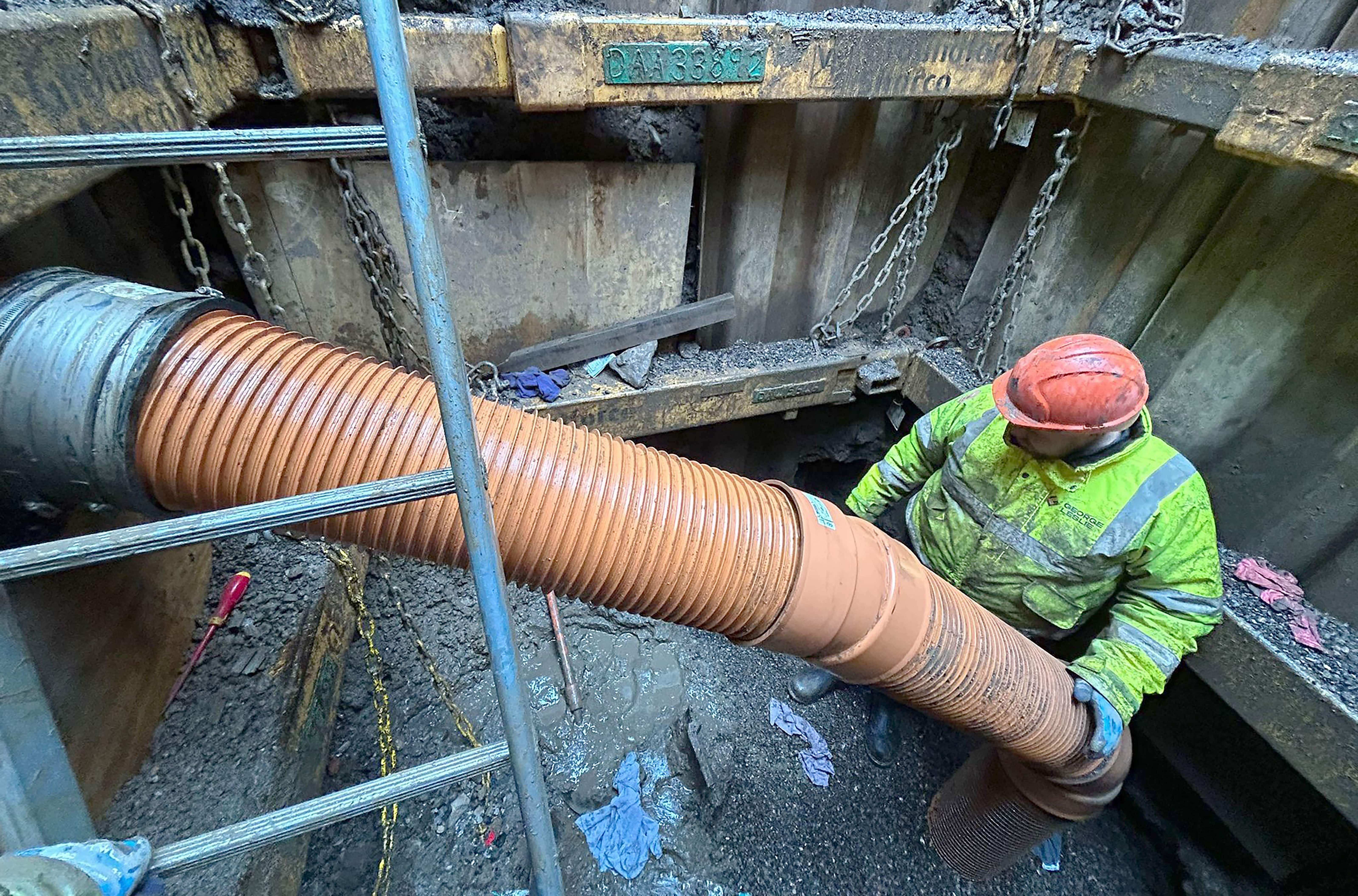
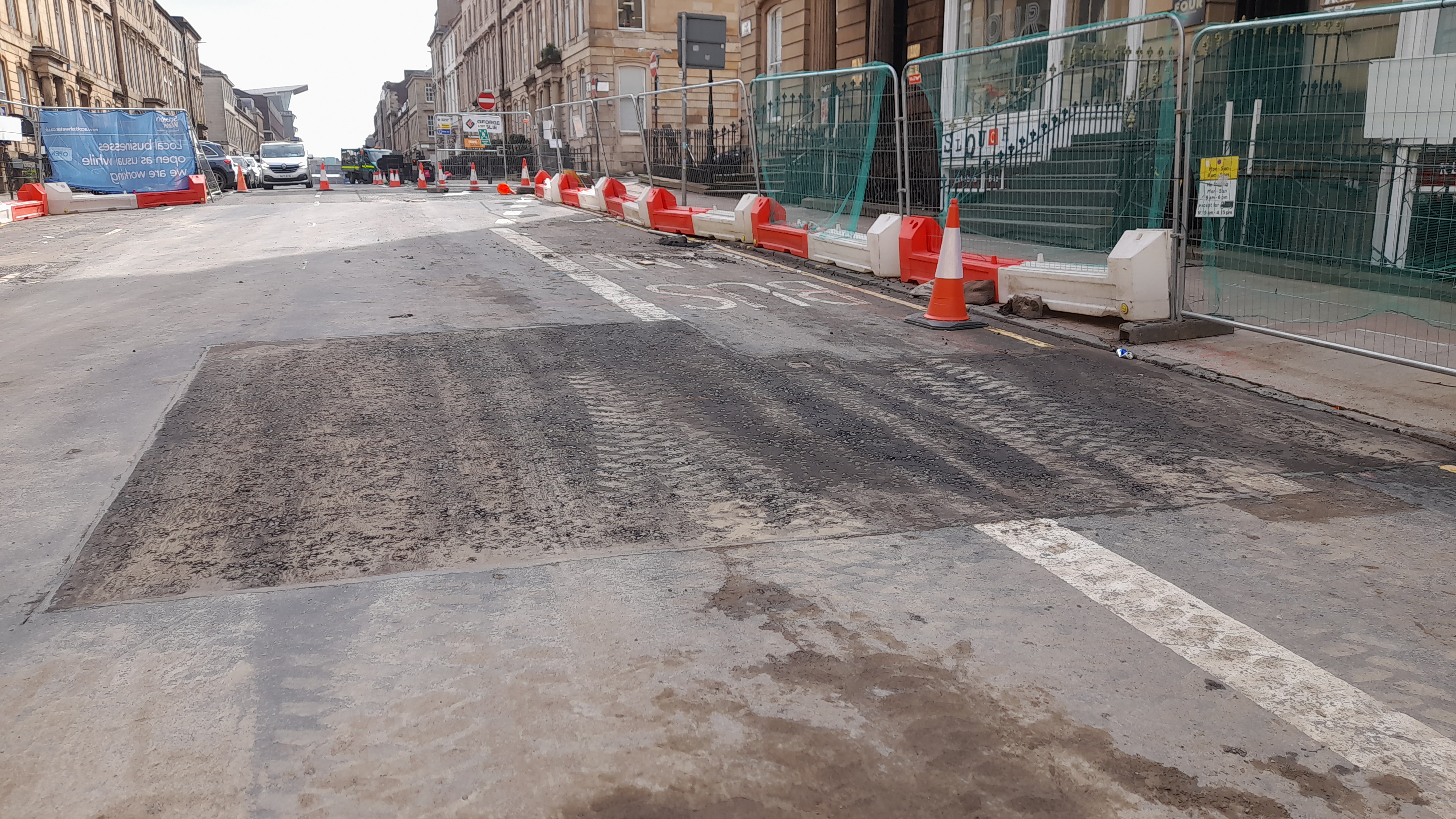
Scottish Water, through delivery partner George Leslie, undertook an emergency sewer trap repair at 203–205 Bath Street, within the Slouch Bar lightwell. The project involved repairing a 3 m-deep trap within a 4 m depth, 300 mm diameter pipe. Because of its location on a busy public footpath and road, extensive traffic management of a section of Bath St required a full road closure with bus route diversion required.
EXECUTIVE SUMMARY
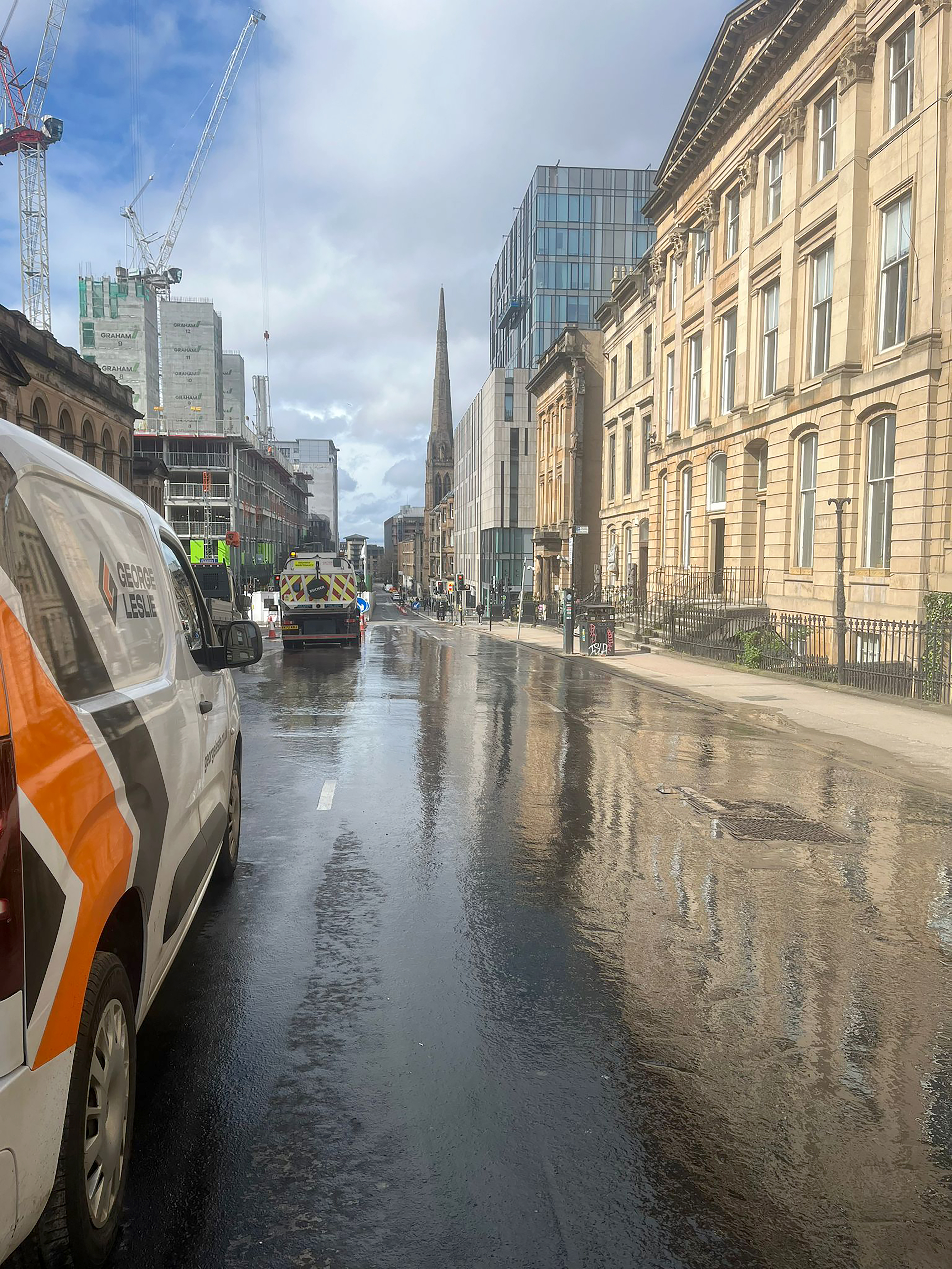
A collapsed sewer trap at Bath Street prompted internal flooding in a property, necessitating a five week closure and repair. Scottish Water and Glasgow City Council approved emergency works. Despite disruptions, local businesses remained open, with efforts made to minimise impacts on residents and the public.
PROJECT BACKGROUND
- 18 March 2024, following internal sewer flooding in a property on Bath Street.
- Scottish Water applied for and received emergency permission from Glasgow City Council to close Bath Street between Douglas and Pitt Streets for excavations.
- George Leslie was appointed as Principal Contractor and Principal Designer under NEC4 Option E
PROJECT TIMELINE
- Start on Site date was 18 March 2024
- Estimated completion of ten weeks.
- Works were completed, five weeks later, 12 April 2024
GOALS AND OBJECTIVES
- Rapidly repair the collapsed 3m deep sewer trap to stop internal property flooding.
- Execute work safely in a busy urban setting, using traffic management and communications with stakeholders.
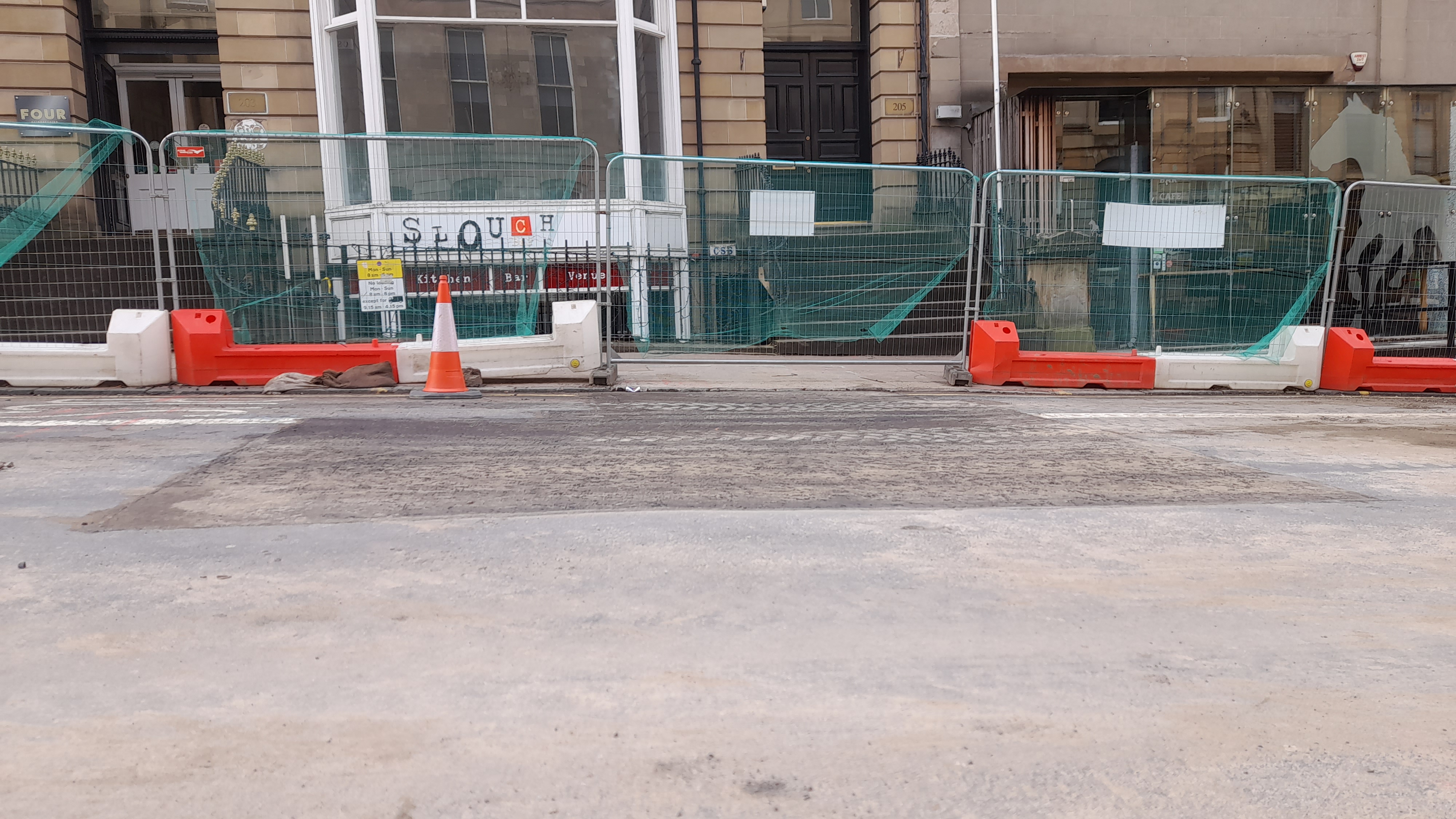
- Reinstate the site post-repair to a suitable condition.
- Ensure health, safety, and asset standards compliance, and collaborate with local businesses and residents.
CHALLENGES OVERCOME
- Complex excavation among other utilities in a heavy clay environment, necessitating CAT scans and cautious digging.
- Managing traffic flow and public safety with full road closures and bus diversions.
- Operating within a tight timeframe while coordinating closely with local stakeholders.
ENVIRONMENTAL BENEFITS
- By restoring proper sewer function, the project prevented untreated sewage discharge, thereby protecting local watercourses.
- Environmental safety protocols were upheld during excavation and reinstatement.
- Rehabilitated an underground utility in a way that likely reduces future disruption and resource use.
EFFICIENCY BENEFITS
- Emergency permissions streamlined the approval process, enabling swift repair action.
- Rapid mobilisation and targeted CAT scanning helped minimise excavation scope and support timely execution.
- The well-structured NEC4 contract with capped costs and defined responsibilities improved project delivery efficiency.
COMMERCIAL IMPLICATIONS
- Project value capped at £75,000, with George Leslie delivering as Principal Contractor and Designer under NEC4 terms.
- Emergency works meant George Leslie not required to submit a formal programme, though regular cost forecasts were still mandated.
- Contractual obligations included early warnings and compensation event provisions, ensuring financial and time accountability.
CONCLUSION
- The Bath Street emergency sewer repair addressed a critical public infrastructure failure promptly and safely. Despite being situated in a high-traffic urban environment, the operation minimised disruption through coordinated traffic management, stakeholder engagement, and robust contract execution.
- The project not only resolved immediate flooding threats but also ensured enhanced asset resilience and environmental protection, paving the way for a return to normal conditions after a well-managed intervention.