
Building Information Modelling (BIM) is shaping how civil engineering projects are planned, communicated and delivered at George Leslie.
Our growing use of 3D and 4D modelling reflects a wider shift in how digital methods are utilised across projects. It has improved safety, efficiency and understanding, and earned one project a place on an industry award shortlist.
Though BIM is often associated with visually impressive 3D models, it also includes information management. The 3D models allow the project teams to visualise, communicate and plan more effectively. There is also real value for our clients, project teams and supply chain when construction data is embedded to deliver a federated 3D model.
BIM Manager Scott McCaw explained:
“You’ve got the information management side, which is all about planning for the information you’re going to generate, deliver and hand over for any project before the construction phase starts.
“The 3D modelling part and uses for this thereafter gives an instant vision to the project, breaking down engineering barriers for non-technical people.”
Though we did not bring home the award for Digital Collaboration of the Year at the Digital Construction Awards, our partnership with Majenta Solutions remains something to be proud of. Being shortlisted in the first place is an achievement in itself.
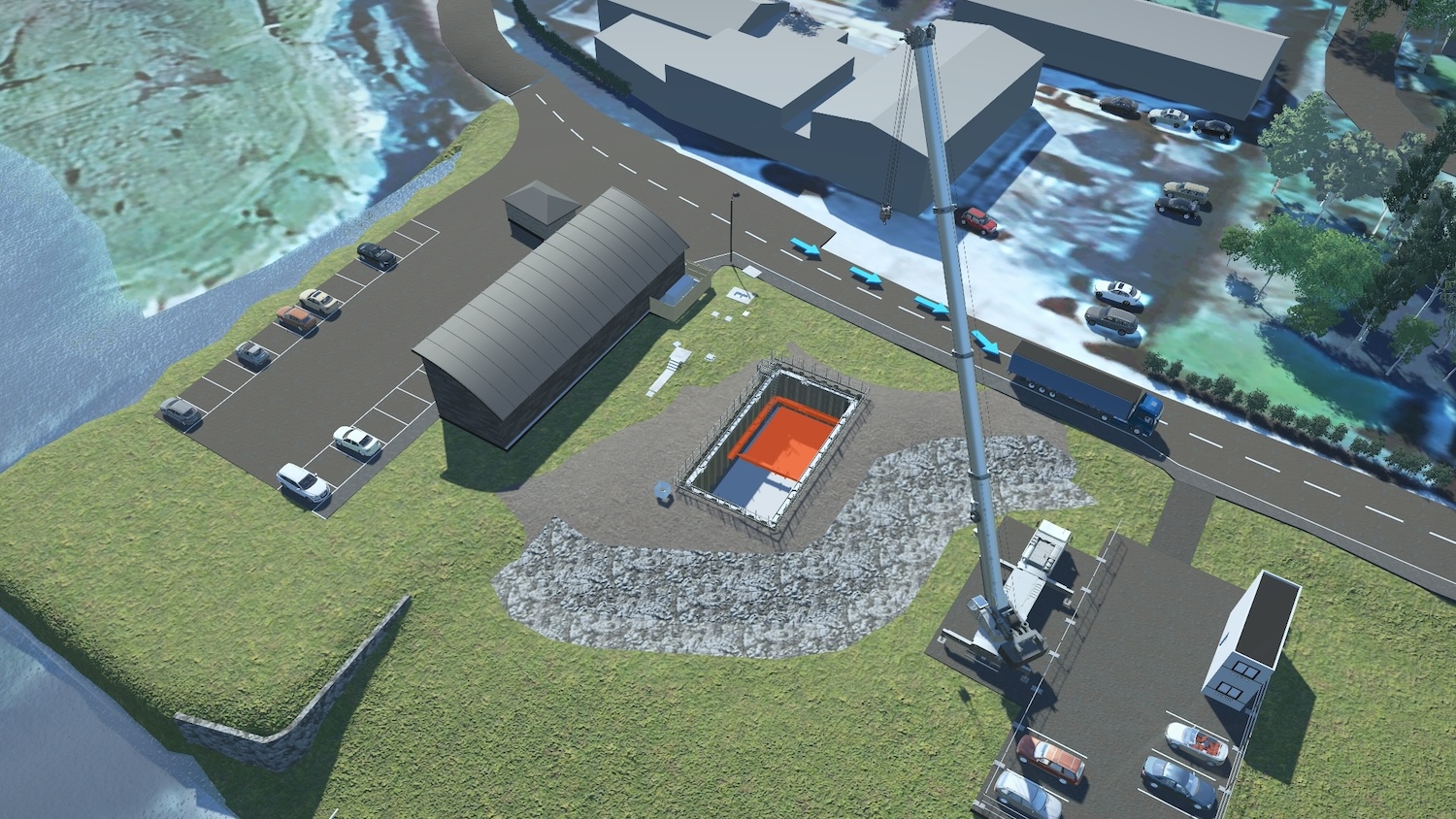
Through harnessing the power of 3D and 4D modelling, we transformed the public consultation process for the Glencaple sewer and drainage network upgrade on behalf of Scottish Water. This made the proposals easier to understand and strengthened confidence and support across the community.
In contrast, previous consultation methods such as engineer led presentations and 2D drawings, which proved challenging for nontechnical stakeholders to interpret, which led to the planning application being rejected.
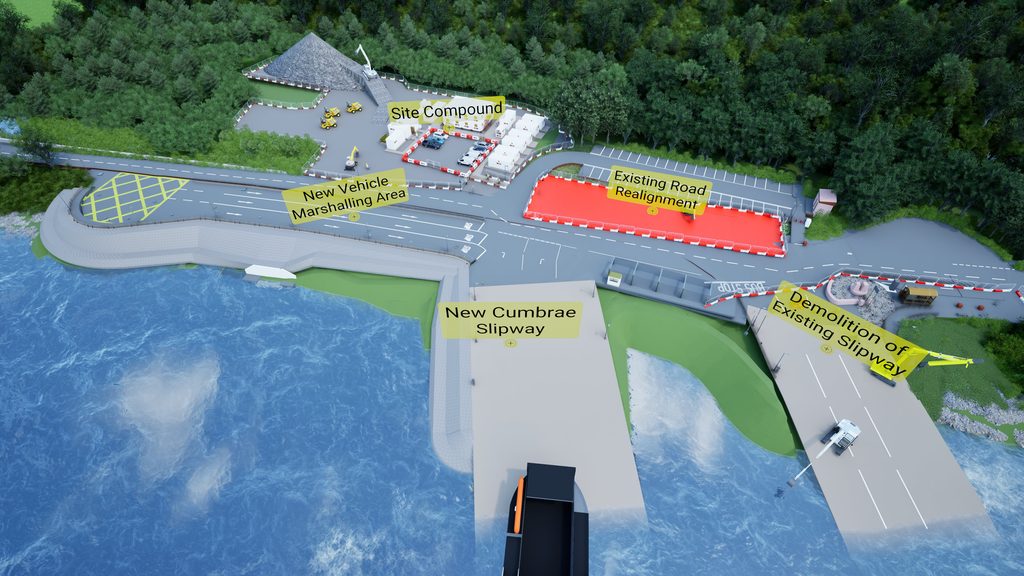
We have delivered and are using a digital model of the Cumbrae Slipway project which continues to be another notable success. This was done initially for the public information event; however, it is planned for use throughout the different phases and activities as the project progresses.
Where BIM is concerned, a “combination of factors” measures project success. Scott said:
“We assess this across every project, looking at digital innovation, net zero, health and safety, and quality. Every part of construction plays a role.
Better planning and visualisation reduces health and safety risks and comparing construction methods can improve efficiency by reducing unnecessary plant movements and fuel use.
“Success is measured by setting out a clear plan, estimating potential savings, weighing them against the cost of achieving them, and then reviewing what was saved.”
Looking to the future, we plan to integrate 3D/4D modelling into all major projects, where it will add value. It will support smarter programme development, reduced scope changes, improved safety planning, quality assurance and more informed long-term asset management.